Gas Line Installation And Repair, Safety Tips, And What To Expect
Gas line leaks or repairs can worry any homeowner. Natural gas is highly flammable, and faulty lines put your safety at risk. This article provides clear safety tips and explains what to expect during service.
Keep reading to protect your home and family.
Importance of Gas Line Installation and Repair
Proper gas line installation and repair ensure the safety of your home. Faulty lines pose serious risks, including leaks and explosions that threaten lives and property.
Why safety is a top priority
Gas leaks can lead to fires, explosions, and exposure to toxic gases like carbon monoxide. In the United States, faulty gas lines cause hundreds of accidents every year; the National Fire Protection Association reports that natural gas is involved in about 4,200 home structure fires annually.
Even a small leak puts families, renters, and business owners at risk.
“Safety rules exist because lives depend on them.” Local codes require inspections and regular maintenance for all natural gas systems. Gas line installation and repair without proper safety checks can quickly increase the risk of danger.
Only trained professionals should handle these jobs to protect homes and businesses from severe harm or expensive damage.
Risks associated with faulty gas lines
Faulty gas lines can cause serious risks to health and property. Leaking natural gas increases the chance of fires or explosions, especially in closed spaces. According to the National Fire Protection Association, local fire departments responded to nearly 4,200 home structure fires each year from 2012 to 2016 that started with natural gas ignition.
Malfunctioning pipes also release carbon monoxide, an odorless, deadly gas that can cause headaches, confusion, or even death if undetected.
Business owners may suffer financial losses due to forced evacuations or service disruptions caused by a leak. Faulty installation or neglected repairs can lead to fines for code violations since safety regulations require regular inspections of gas plumbing systems.
Poor connections on appliances like stoves and water heaters also increase the risk; these appliances rely on safe piping to function without leaks. Regular maintenance helps prevent dangerous breakdowns, supports compliance with city codes, and protects people inside homes and buildings.
Safety Tips for Gas Line Work
Detecting gas leaks early is crucial for preventing accidents. Homeowners should install carbon monoxide detectors and conduct regular appliance checks to ensure their homes are safe.
Detecting gas leaks early
Natural gas leaks often produce a rotten-egg smell because companies add mercaptan for safety. Install carbon monoxide detectors near sleeping areas and appliances to detect leaks quickly.
Listen for hissing near your gas plumbing or natural gas appliances, as this sound can indicate escaping gas.
Regular inspections by professional services help prevent risk and keep your home safe. “Swift leak detection saves lives and protects property,” says Jared Coe from Infinity Plumbing Services.
If you own older appliances or have not had maintenance in recent years, schedule an inspection soon to avoid unnoticed issues with your installation or repair work.
Immediate actions to take during a gas leak
Leave the area immediately if you suspect a gas leak. Open windows and doors to ventilate your home. Do not use any electrical appliances, light switches, or flames while exiting. These actions can create sparks that may ignite the gas.
Once outside, call your local emergency services or the gas company from a safe distance. Avoid returning to the building until professionals declare it safe. Always prioritize safety during these emergencies; act quickly and decisively to protect yourself and others around you.
What to Expect During Gas Line Installation and Repair
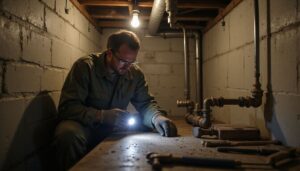
During gas line installation and repair, professionals will assess your home’s layout. They will then determine the best routes for safe gas lines and perform necessary checks on existing systems.
Overview of the process
Gas line installation and repair involve several critical steps. First, professionals assess the site to ensure safe placement of gas lines. They follow local safety regulations and code compliance requirements throughout the process.
Next, technicians carefully install piping for natural gas or propane, ensuring each connection fits securely. Leak detection methods play a vital role in this phase; they help prevent potential hazards before the system goes live.
Finally, thorough inspections guarantee that everything functions correctly, providing homeowners with peace of mind after the work is complete.
Why professional services are essential
Hiring professional services for gas line installation and repair ensures safety and compliance. Trained experts understand safety regulations around natural gas. They expertly follow installation methods that meet local codes.
Professional technicians conduct thorough inspections to prevent leaks. Their knowledge of leak detection is vital in maintaining home safety. Gas lines can be dangerous if not handled correctly, potentially leading to severe consequences such as explosions or carbon monoxide poisoning.
Trust professionals to manage your gas plumbing needs effectively, giving you peace of mind.
Conclusion
Gas line installation and repair are essential for safety, and homeowners must prioritize maintaining their gas systems. Regular inspections can prevent dangerous leaks or failures. Always rely on professional services to ensure proper installation and compliance with safety regulations.
Implementing these tips helps protect your home and loved ones.