Seasonal Plumbing Maintenance Tips for Your Home
Leaky pipes and clogged drains can cause big damage and high bills. Regular seasonal plumbing maintenance can cut repair costs and extend fixture life. This checklist shows what to inspect each season and simple actions you can take.
Read on to protect your home.
Spring Plumbing Maintenance Checklist
Spring offers a perfect time to ensure your plumbing operates smoothly. A thorough inspection can reveal leaks and prevent bigger issues later on.
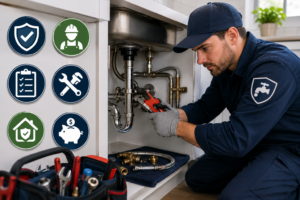
Inspect faucets and pipes for leaks
Inspecting faucets and pipes prevents costly water damage. Do this inspection each season.
- Inspect all visible faucets and exposed pipes for dripping, wet spots, and corrosion, and note any slow leaks that stain cabinets or plaster.
- Check under sinks and around toilets for pooled water, soft wood, or mildew, and open cabinet doors to spot hidden leaks early.
- Check faucet handles and spouts for loose parts or mineral buildup, and test each fixture for irregular flow or sputtering.
- Test for pinhole leaks on copper and galvanized lines by wiping pipes with a dry cloth, then checking the cloth for moisture after one minute.
- Tighten loose connections at supply lines and fixture bases with a wrench, but avoid over-tightening plastic fittings to prevent cracks.
- Monitor your water meter for unexplained usage by recording the meter, avoiding all water use for one hour, and checking the reading again.
- Document leak locations, dates, and photos on your phone to track recurring problems and to share with contractors or property managers.
- Repair minor faucet leaks with new washers or cartridges when you can, and replace worn supply lines every five to seven years as preventive maintenance.
- Call a licensed plumber for hidden leaks, pressure loss, frozen pipes, or when repairs exceed your comfort or tools, and consider scheduling a seasonal plumbing inspection with Infinity Plumbing Services.
Flush the water heater to remove sediment buildup
After you check faucets and pipes for leaks, move on to the water heater. Flushing removes sediment and protects system efficiency.
- Turn off the power or gas to the water heater. Cut the electricity at the breaker for electric models and shut the gas valve for gas units to prevent damage and injury.
- Close the cold-water supply valve at the top of the tank. This stops new water from entering while you drain sediment.
- Attach a garden hose to the drain valve at the tank base. Run the hose to a floor drain or to an outdoor area that can handle hot, dirty water.
- Open a hot water faucet inside the building. This relieves pressure and helps the tank drain smoothly.
- Open the drain valve and let the tank empty for about five minutes. Watch the water for sand and grit, which indicate sediment buildup.
- Flush with cold water until it runs clear, then close the drain. This clears remaining particles that lower heater efficiency and clog pipes.
- Reopen the cold-water supply to refill the tank. Check the tank and hose connections for leaks during refill and tighten any loose fittings.
- Restore power or relight the pilot for gas models. Verify hot water flow and run a brief plumbing inspection to confirm that no new leaks have appeared.
Summer Plumbing Maintenance Checklist
During the summer, homeowners need to focus on outdoor plumbing. Regularly checking spigots and sprinkler systems ensures they operate smoothly and efficiently.
Check outdoor spigots and sprinkler systems
Inspect outdoor water points every season. Fix leaks fast to cut water waste.
- Test each spigot for leaks, tighten the packing nuts, and replace worn washers to stop drips that can waste up to 3,000 gallons of water per year.
- Inspect hose bibs for cracks and corrosion, remove attached hoses, and shut off interior supply valves to prevent freeze damage.
- Operate sprinkler zones one at a time to find broken heads, clogged nozzles, and overspray that raise your water bill.
- Check system pressure with a gauge at an exterior hose connection, note readings outside the normal 40 to 60 PSI range, and address pressure issues that stress pipes and fixtures.
- Examine backflow preventers for proper operation, test annually if local codes require it, and schedule repairs with a licensed plumber when needed.
- Flush irrigation lines after repairs to clear debris and avoid clogged emitters and uneven coverage of lawns and landscaped beds.
- Inspect controller settings and rain sensors, update seasonal schedules, and use short cycles to reduce runoff and conserve water.
- Call Infinity Plumbing Services in the Tulsa metro area, ask for Jared Coe’s team for a professional seasonal plumbing inspection, and get documented repair estimates for property managers and homeowners.
Inspect for signs of water pressure issues
Low water pressure can disrupt daily tasks. Issues may arise from several sources, so a thorough inspection is crucial.
- Check faucets for weak flow. Low pressure might stem from clogged aerators or malfunctioning valves.
- Observe showerheads during use. A drop in pressure could signal mineral buildup or pipe blockages.
- Test outdoor spigots. Inconsistent flow may indicate problems with supply lines or leaks.
- Listen for unusual sounds in pipes. Banging or vibrating can suggest issues such as air trapped in the system.
- Monitor water usage patterns. Sudden drops in pressure when using multiple fixtures could indicate underlying plumbing issues that require attention.
Paying close attention to these signs promotes effective seasonal plumbing maintenance and prevents future headaches for homeowners, renters, and property managers alike.
Fall Plumbing Maintenance Checklist
Fall is the perfect time to prepare your plumbing for winter. Failing to clean gutters and downspouts can lead to serious blockages that cause water damage.
Clean gutters and downspouts to prevent blockages
Cleaning gutters and downspouts keeps water flowing freely. Proper maintenance prevents damage to your home.
- Remove debris from gutters regularly. Leaves, twigs, and dirt can pile up quickly. Clear out material to avoid clogs.
- Inspect downspouts for blockages. Ensure that nothing obstructs the flow of water. A blocked downspout can send water back towards your foundation.
- Check for proper drainage around your property. Water should flow away from the structure after rainfall or snow melts.
- Ensure gutters are securely attached to the house. Loose gutters may sag, leading to ineffective drainage.
- Install guards or screens if necessary. These systems help minimize debris accumulation in the gutters and reduce the frequency of cleaning.
- Repair any leaks in the gutter system promptly. Small leaks can quickly turn into larger problems if ignored.
- Conduct this maintenance at least twice a year, preferably in spring and fall, to stay ahead of potential issues.
- Consider hiring professionals if you feel uncomfortable doing it yourself; they can provide thorough inspections and cleaning services.
Regular attention to these tasks will maintain your plumbing system’s health and prevent costly repairs involving your drains and foundation later on.
Insulate pipes in preparation for colder temperatures
Insulating pipes is vital as colder temperatures approach. Proper insulation helps prevent freezing and costly water damage.
- Use foam pipe insulation to cover exposed pipes in unheated areas such as basements or attics. This material is easy to install and effectively traps heat.
- Seal any gaps around windows and doors to reduce drafts. Minimizing cold air infiltration protects indoor temperatures and keeps your home comfortable.
- Keep the thermostat set at a consistent level during the winter months. A stable temperature inside reduces the risk of pipe freeze-ups.
- Allow a trickle of water to flow through faucets on extremely cold nights. This slight movement prevents standing water from freezing solid within the pipes.
- Insulate both hot and cold water pipes. Doing this maintains temperature, saving energy while preventing frozen lines.
Protect your plumbing system this winter with these straightforward steps for effective preventive maintenance.
Winter Plumbing Maintenance Checklist
Prepare your home for winter by taking care of your plumbing system. Winterizing outdoor faucets and hoses will prevent freezing and costly damage to your pipes.
Winterize outdoor faucets and hoses
Winterizing outdoor faucets and hoses is essential to prevent damage during colder months. Proper maintenance can save you from costly repairs later.
- Turn off the water supply to all outdoor faucets. Locate the shut-off valve inside your home for each faucet.
- Drain the water from the outdoor faucets. Open each tap and let the water run until it flows completely.
- Disconnect hoses from outdoor spigots. This prevents freezing water from damaging both hoses and faucets.
- Store hoses in a warm, dry location. Avoid leaving them outside where temperatures can cause cracks and leaks.
- Insulate any exposed pipes connected to outdoor taps. Use foam pipe insulation or tape to provide a protective layer against freezing temperatures.
Following these steps will help keep your plumbing system in good shape during winter. Next, we will discuss how to test and maintain sump pumps to avoid flooding.
Test and maintain sump pumps to avoid flooding
Outdoor faucets and hoses need winterization. After that, testing and maintaining sump pumps is crucial for preventing flooding.
- Inspect the sump pump for any visible signs of wear or damage. Ensure all components are intact to guarantee proper function.
- Clean the sump basin and remove any debris that might block the pump’s operation. A clean basin helps the pump work efficiently.
- Test the sump pump by pouring water into the basin until it activates. This process confirms that the pump functions correctly.
- Check the discharge pipe for any cracks or blockages. An unobstructed discharge pipe ensures that water flows away from your property properly.
- Verify that the power source is secure and functioning well. A reliable energy supply keeps your sump pump operational during heavy rain or snowmelt.
- Consider installing a backup battery system to prevent failures during power outages. A battery-operated back-up ensures protection even when electricity goes out.
- Schedule regular maintenance checks with a plumbing professional for thorough inspections and repairs as needed. Professional upkeep significantly extends the life of your sump pump system.
Keeping up with seasonal plumbing maintenance can help prevent costly repairs and keep your plumbing system running smoothly year-round. From checking for leaks to preparing your pipes for changing weather, a little maintenance goes a long way.
Visit our contact page to schedule your seasonal plumbing maintenance today!