Practical Tips For Saving Water At Home
Many homeowners waste water through small leaks and old fixtures. The average household can cut water use by 20 percent with simple changes. This guide, Practical Tips Saving Water, shows easy fixes and smart habits to save water and money.
Read on to learn quick, practical steps.
Practical Tips for Saving Water Indoors
Fixing leaks quickly can save significant amounts of water. Shorter showers and low-flow showerheads greatly reduce indoor water consumption.
Fix leaks promptly
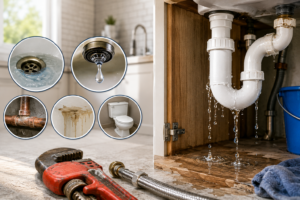
A leaking faucet can waste hundreds of gallons a year. A running toilet can lose thousands more. Prompt repairs cut water consumption, boost utility savings, and protect household resources.
Fix leaks fast to conserve water and save money.
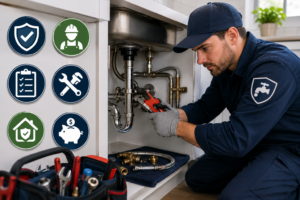
Check faucets, showerheads, and toilets monthly. Replace worn washers or corroded valves to reduce waste. Call Infinity Plumbing Services for complex plumbing repairs and reliable service that supports sustainability and efficiency.
Take shorter showers and install low-flow showerheads
After fixing leaks, cut shower time and update showerheads. Short showers lower household water consumption. Aim for five minutes or less. Each minute in a 2.5 gallons-per-minute shower uses 2.5 gallons.
Cut two minutes, and you save five gallons per use.
Install low-flow showerheads labeled WaterSense. Those models flow at about two gallons per minute. They reduce water use compared to older 2.5-5.5 gpm fixtures. Owners can see real savings in utility bills and greater water efficiency.
Property managers can cite plumbing upgrades as a sustainability measure for tenants and clients.
Only run dishwashers and washing machines with full loads
Run dishwashers and washing machines only when they are full. A full load cuts water use and energy per item, improving household conservation and lowering utility costs. Property managers and homeowners can schedule cycles to boost efficiency, reduce plumbing strain, and support sustainability.
Practical Tips for Saving Water Outdoors
Water your plants during the cool hours of early morning or late evening. This method reduces evaporation and helps ensure that your plants thrive with less water. Using a broom instead of a hose to clean driveways and sidewalks can also save significant amounts of water while keeping outdoor spaces tidy.
These simple changes can promote better resource management in your household.
Water plants early in the morning or late in the evening
Watering plants early in the morning or late in the evening helps reduce evaporation. This timing allows plants to absorb more moisture, which they need for proper growth. Morning watering gives leaves time to dry before nightfall, reducing the risk of fungal diseases.
Evening watering can be effective too; however, avoid soaking foliage to prevent mildew.
Choose a consistent irrigation schedule to optimize water efficiency and support plant health. Monitor local weather conditions and adjust your watering times accordingly. Using these methods conserves water while maintaining a vibrant garden or landscape around your home or business.
Use a broom instead of a hose to clean driveways and sidewalks
Using a broom to clean driveways and sidewalks saves water. Hoses can waste gallons of water in just a few seconds. A broom uses only a small amount of energy and effectively removes dirt, leaves, and debris.
This simple switch reduces overall water consumption at home or in any business setting.
Cleaning your outdoor spaces with a broom is also better for the environment. It helps prevent runoff that may carry pollutants into storm drains or local waterways. By adopting this practice, you contribute to resource management while efficiently maintaining cleanliness.
Choose the broom for an eco-friendly solution to outdoor cleaning tasks.
Incorporating Water-Efficient Products
Homeowners can easily save water by installing WaterSense-certified fixtures. These products significantly reduce consumption and promote smarter resource management throughout the household.
Install water-efficient fixtures labeled with WaterSense
Installing WaterSense-labeled water-efficient fixtures can drastically reduce your household water use. These products meet strict standards for efficiency and performance. They help conserve a significant amount of water without sacrificing quality or comfort.
Switch to low-flow showerheads, faucets, and toilets that have earned the WaterSense label. By doing this, you will lower both your environmental impact and utility bills. Embracing these eco-friendly fixtures supports sustainability efforts while ensuring efficient plumbing performance in your home or business.
Next, consider using rain barrels to collect and reuse rainwater for gardening.
Use rain barrels to collect and reuse rainwater for gardening
Rain barrels offer an excellent way to conserve water. Homeowners and renters can collect rainwater from roofs during storms. This method reduces the demand on local water supplies while creating a sustainable resource for gardening.
Using this collected water helps plants thrive without increasing utility bills. A simple setup allows property managers and business owners to gather significant amounts of rainwater, reducing overall consumption.
Rain barrels also promote environmental protection by minimizing runoff and pollution in waterways. Embracing this practice leads to efficient water management and significantly benefits gardens.
Conclusion
Saving water at home is essential for sustainability. Every small effort counts. By fixing leaks and using water-efficient fixtures, homeowners can make a significant impact. Shortening showers and watering plants wisely also help conserve this vital resource.
Our services go beyond repairs—we’re here to help you protect your home’s plumbing and make smarter choices that save water every day. Whether it’s fixing leaks or improving efficiency, small changes can make a big difference.
Visit our contact page to schedule your service today and start saving water at home!