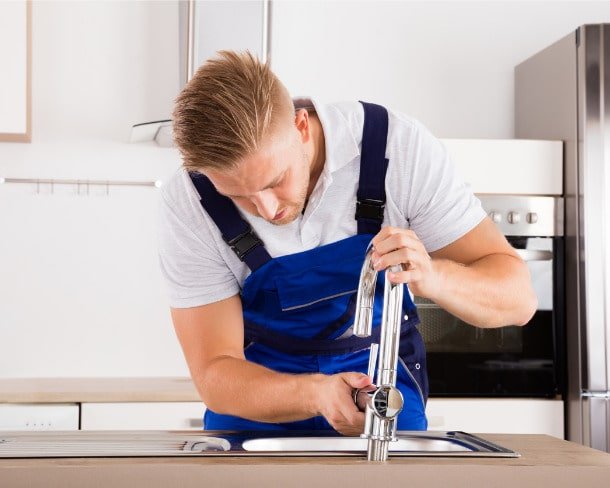
Repiping services in Tulsa means replacing the old, failing water pipes in your home, usually aging galvanized steel or polybutylene, with modern PEX or copper. If you’re fighting recurring leaks, rusty water, or weak pressure, a repipe fixes the cause instead of patching one spot at a time. Infinity Plumbing repipes homes with a written quote up front. Call 918-258-1818.
Nobody repipes a house on a whim. It’s the step you take when the plumbing has stopped being worth chasing leak by leak. This page covers how to tell you’ve reached that point, what pipe we replace it with, and what the job is actually like to live through.
A repipe replaces the water supply lines running through your home, the pipes that carry pressurized water to every fixture, with new pipe. It’s different from a single repair, where we fix one failed section. In a repipe, we swap the whole aging network at once, so you’re not back on the phone in three months when the next weak spot in a forty-year-old system gives out.
Repiping usually covers the hot and cold supply lines. Drain and sewer lines are a separate system with their own repair and replacement path, and we’ll tell you if those need attention too.
A few patterns tell us a house is due for repiping services Tulsa homeowners often wait a little too long on:
If you’re seeing one of these, a repair may still make sense. If you’re seeing several, we should talk about a repipe before the next leak does the deciding for you.
Two materials drive most Tulsa repipes. Galvanized steel was standard in older homes and rusts from the inside out, which is what causes the discolored water and shrinking pressure. Polybutylene was a gray plastic pipe used widely for a couple of decades before it fell out of favor, and its fittings are known to fail, sometimes without much warning. Both are worth replacing on your schedule rather than waiting for a burst line to set the timeline for you.
Confirming what you have and what shape it’s in is where leak detection helps. We can locate active leaks and assess the pipe before recommending anything, so the plan is based on your actual plumbing, not a guess.
Both are solid, and the right pick depends on the house and the budget.
PEX is a flexible plastic pipe that has become the common choice for repipes. It installs faster, needs fewer fittings because it bends around corners, resists the scale buildup that plagues metal in hard water, and it costs less to put in. Fewer fittings and joints also means fewer places to leak.
Copper is the long-proven metal option. It’s rigid, durable, handles heat well, and many homeowners like that it’s a known quantity with a long track record. It costs more in both material and labor, since every turn needs a fitting and every joint is soldered.
We’ll walk you through the tradeoffs for your home. Plenty of Tulsa repipes go PEX for the speed, lower cost, and scale resistance, but if you prefer copper, we install it.
A whole-home repipe is a bigger job than a repair, and knowing the sequence takes the mystery out of it:
1. Assessment and written quote. We inspect the plumbing, confirm the pipe material and condition, map the runs, and give you a written price. Nothing starts until you approve it. 2. Prep and protection. We cover floors and furnishings and open the access points we need in walls and ceilings, planned to keep the cuts as small and few as we can. 3. Run the new pipe. We install the new PEX or copper lines alongside or in place of the old, connecting every fixture, then tie the new system into your main and water heater. 4. Pressure test. Before anything gets closed up, we pressurize the new lines and check every connection, so leaks are caught while the pipe is still exposed. 5. Close-up. We patch the access points we opened. Depending on the scope, drywall patching and finish work may be part of our job or handed to a finisher, and we make that clear in the quote. 6. Walk-through. We restore water, check every fixture with you, and confirm pressure is back where it should be.
A repipe touches walls, so it isn’t invisible, but it doesn’t have to take over your life. We plan the access points to minimize the number and size of the openings, sequence the work so water is off for the shortest sensible stretches, and keep the site covered and cleaned up as we go. Many whole-home repipes are completed in a matter of days, and we give you a realistic timeline in the quote so you can plan around it. We tell you up front where water will be off and for how long, rather than leaving you guessing.
Not every problem needs a repipe. A single leak, a bad fitting, or a localized failure is usually a straightforward plumbing repair, and we’ll say so when that’s the honest answer. Repiping is the call when the pipe itself is failing across the house and repairs have become a losing game. If you’re not sure which camp you’re in, that’s exactly what our assessment and leak detection are for. When in doubt, contact our team and we’ll take a look before you spend on anything.
Repipe cost depends on the size of the home, the number of fixtures and bathrooms, whether you go PEX or copper, and how accessible the runs are. Because those vary so much house to house, we don’t quote a repipe over the phone. We assess the home, then give you an upfront written price that holds through the job, and financing is available so a repipe doesn’t have to be paid all at once. A repipe is an investment, and we make sure you know exactly what it includes before you commit.
We’re family-owned and have served the Tulsa area for more than 8 years, licensed in Oklahoma for plumbing and gas work, and rated 4.8 stars across more than 260 Google reviews. Every repipe starts with a written quote, you can book online through Housecall Pro, and we run 24/7 emergency service if a pipe fails after hours. For everything else we handle, see our Tulsa plumbing services.
We repipe homes across the Tulsa metro, including Tulsa, Broken Arrow, Bixby, Jenks, Owasso, and Sand Springs, plus Coweta, Sapulpa, Glenpool, Claremore, and Catoosa. Outside those and wondering if we can help? Call and we’ll tell you straight.
One leak or a single bad fitting is a repair. A pattern of leaks in different places, discolored water, and pressure that’s dropped across the whole house points to the pipe itself failing, and that’s when a repipe makes sense. Our assessment tells you which situation you’re in before you spend on anything.
Many repipes are done in a matter of days, depending on the size of the home, the number of bathrooms, and how accessible the runs are. We give you a realistic timeline in the written quote, including when and for how long the water will be off, so you can plan around it.
Both are good. PEX installs faster, costs less, and resists scale from hard water, which is why it’s a common choice here. Copper is rigid, durable, and has a long track record, at a higher material and labor cost. We walk you through the tradeoffs and install whichever you choose.
A repipe requires access points in walls and ceilings to reach the pipe, but we plan them to be as small and few as possible. We cover and protect your home, patch the openings afterward, and spell out in the quote whether finish work like drywall is part of our scope or handed to a finisher.
In most cases, yes. Water is shut off only during specific stretches of the work, not the whole time, and we tell you those windows in advance so you can plan. We keep the site clean and contained day to day so the house stays livable while we work.
When pipe is failing from age or corrosion, each repair buys less time than the one before, and you end up paying repeatedly while the water damage risk climbs. A repipe replaces the failing system once, which usually costs less over time than an endless string of patches, and it ends the discolored water and pressure problems for good.
If you’re chasing leaks, rusty water, or weak pressure, let us assess the plumbing and quote a repipe in writing before you commit to anything. Call 918-258-1818 or book online.
Infinity Plumbing Services
12254 E. 60th St., Tulsa, OK 74146
918-258-1818 · 24/7 Emergency Service